
03 Mar Member Journey: Carolyn Karoll, LCSW-C, CEDS-C
A Career Rooted in Compassion and Standards
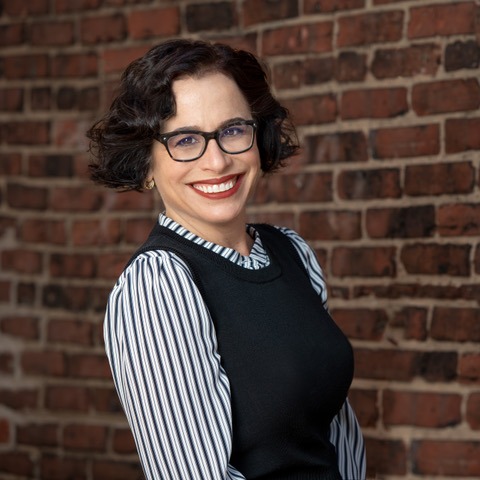
Recently, I had the honor of meeting Carolyn Karoll, LCSW-C, CEDS-C. Carolyn’s path into eating disorder treatment began with what seemed like a practical career decision but quickly revealed itself as something more.
In 2008, she stepped into a family therapist role at an inpatient and partial hospitalization program in Baltimore, Maryland. What began as a job choice soon felt unmistakably aligned. “I immersed myself in everything I could,” Carolyn recalls. “I listened to patients, families, and experts. I couldn’t get enough.”
She recognized that feeling. It was the same intellectual spark she had experienced decades earlier as an undergraduate studying feminist theory, and later in graduate school while diving into psychopathology. That sense of urgency to understand, to question, to read one more article and connect one more thread. When she felt it again in eating disorder work, she knew she had found her field.
That relentless curiosity has since become a defining trait of how she shows up as a clinician, writer, teacher, and mentor.
A career shaped by values and experience
Throughout her career, Carolyn has been deeply guided by social justice and a feminist perspective, values rooted in both her education and family. Those lenses helped her notice something essential early on. Eating disorders do not develop in a vacuum. They are influenced by the “soil“ of our culture, including messages about bodies, belonging, stigma, and hierarchy, alongside the mental health and medical realities that require skilled, collaborative care.
Carolyn brings both professional expertise and personal insight to her work. Her commitment to this field is informed by a lived understanding of recovery, which deepens her conviction that full healing is possible. That belief is not abstract. It is steady and embodied, shaping how she supports clients who feel discouraged or trapped in chronic patterns. That steadiness, paired with her clinical skill, is one reason her voice resonates with both clients and fellow professionals. “I think it helps me hold the possibility of full recovery,” she says, “when someone feels hopeless.”
Leadership through writing, training, and mentorship
Over time, Carolyn’s impact expanded beyond direct clinical care. She has served in roles including clinical supervisor, built a private practice, and co-authored a book on eating disorder group therapy, Eating Disorder Group Therapy: A Collaborative Approach, with a dietitian colleague. She also writes for Psychology Today and delivers trainings for universities and organizations, work she describes as deeply energizing and meaningful.
More recently, she has focused significant attention on weight stigma and bringing a social justice lens to eating disorder treatment. In her view, systems matter, and ignoring the realities of stigma, access to care, and cultural harm leaves important parts of healing unaddressed.
Commitment to Standards and Community
For Carolyn, association membership is not just about affiliation. It is about standards, connection, and shared responsibility.
One of the biggest reasons she values the Foundation is its role in strengthening professional legitimacy in the eating disorders space. As she puts it, “Anyone can say they treat eating disorders, but specialized work requires benchmarks that protect both clients and clinicians.” Her commitment to rigor shows up in how she supervises and consults by holding people to a high standard while helping them grow into confident, ethical providers.
She also emphasizes something that many clinicians crave, especially in private practice: community. As a supervisor and consultant, she sees supporting clinicians as both a responsibility and a calling. She emphasizes the importance of community, consultation, and collaboration in a field where isolation can be common. Carolyn is an active user of iaedps community boards, where she both asks and answers questions, supports peers, and stays connected in a way that fits a busy schedule. Those interactions have led to real relationships and opportunities, including collaborations that began with a single post and grew into ongoing professional work.
In addition to the community, Carolyn notes the value of publications and learning resources, describing how association content supported her own writing and scholarship. She also appreciated the chance to present at the iaedp symposium, an opportunity that helped her share her expertise, elevate her voice in the field, and contribute back to the professional community that supports her work.
The impact she aims to make
When Carolyn talks about impact, she comes back to what is often unseen: shame, silence, and stigma.
She wants people to be able to name what is happening, sometimes for the first time, and to understand it with compassion rather than self-blame. She shared a powerful example of working with a woman in her 60s who, for the first time, could say the words, “I have anorexia.” That kind of naming can be life-changing because it creates a doorway to support, recovery, and a new story.
She also offers clear, practical advice for the broader culture: Stop commenting on people’s bodies. Not as a slogan, but as a meaningful shift that reduces harm and helps create safer environments for healing. She reminds us that eating disorders are far more common and far more than people assume.
Looking ahead
Carolyn is excited about where the field is going, especially the growing integration of somatic approaches and continued progress toward addressing eating disorders through a more honest social and systemic lens. She is also interested in shifting her own work over time by doing more training, writing, and consulting, and less direct service, as she thoughtfully manages energy and invests in the work that best amplifies her strengths and impact.