

30 Jun Member Journey: Haley Jensen
A Journey from Personal Recovery to Professional Purpose
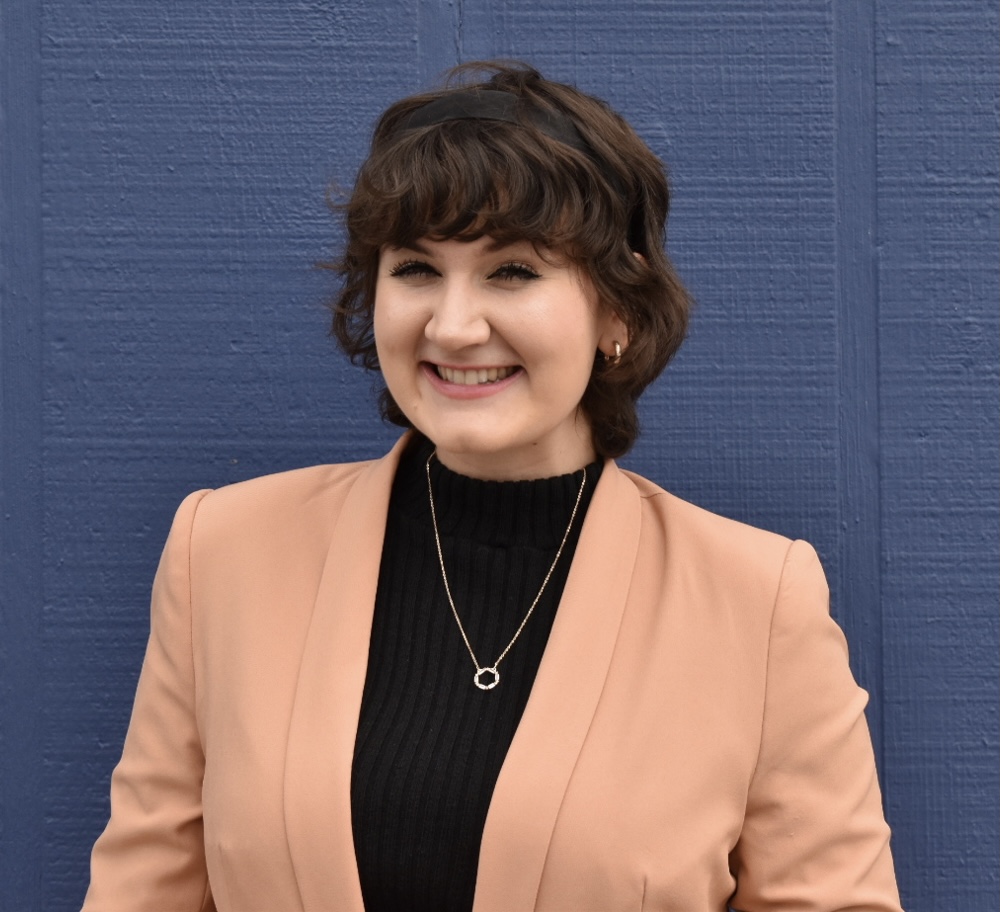
After navigating her own recovery, Haley Jensen is pursuing a career grounded in compassion, balance, and a commitment to becoming a trusted voice in eating disorder recovery and nutrition care. Here’s her journey….
There was a time when eating did not feel simple for Haley Jensen, MS, RDN.
Meals came with anxiety. Food carried emotional weight. And while the people around her seemed able to move through everyday life without overthinking every bite, Haley often felt trapped in a cycle of fear, control, and isolation.
“I was looking around at my roommates and friends and thinking, ‘How are they not crying when it comes to eating?” Haley recalled. “They could just do it so casually. I started wondering if my mindset was incorrect.” It was a quiet but powerful realization, one that would eventually shape not only her recovery journey but her professional calling.
Today, Haley is an emerging eating disorder professional whose work is grounded in empathy, evidence-based nutrition, and lived experience. And while she is early in her career, her vision for the future is already clear: she hopes to become a trusted household name in eating disorders recovery, helping more people feel seen, informed, and supported in their healing journeys.
Learning to Heal While Learning Science
Haley’s eating disorder began in high school and followed her into college. Raised in the Mormon faith, she later served a mission in the Philippines for a year and a half, an experience that deeply impacted her personally and spiritually, but also intensified her struggles with control and disordered eating.
“My eating disorder got really bad during that time,” she shared. “Being a Mormon missionary is quite difficult, so I really leaned on the control factor.”
When she returned to the United States around age 21, Haley found herself at a turning point. She made the decision to change her major to dietetics, initially joking that since she already thought about food constantly, she might as well make a career out of it. But what started as humor slowly became much more meaningful. At the same time, she was studying nutritional science, Haley also began therapy and entered recovery herself. The two journeys became unexpectedly connected. “Learning about nutrition actually complemented my recovery,” she explained. “People tend to think healthy eating means being overly restrictive or labeling foods as good and bad, but true nutrition science taught me balance, variety, and flexibility.”
For Haley, understanding the science behind nourishment helped dismantle many of the rigid beliefs she had internalized for years. She began learning that health was not rooted in perfection, punishment, or fear. Instead, recovery introduced her to a healthier relationship with food, a relationship grounded in balance, compassion, and curiosity.
Understanding that nutrition education and eating disorder recovery can support, rather than oppose, one another is a powerful part of Haley’s story. For many people in recovery, learning about nutrition can feel difficult when health and wellness messages are tangled with diet culture. Haley’s experience shows that, when approached with intention, compassion, and evidence-based care, nutrition knowledge can deepen alongside healing one’s relationship with food, body image, and self-worth.
Finding Community Through the iaedp Foundation
As Haley prepared to graduate from college last year, she began researching organizations connected to eating disorder treatment and recovery. She wanted to find a professional home that aligned with her values and offered opportunities for growth, mentorship, and connection. “I was always making lists of organizations that supported eating disorder recovery,” she said. But, that search eventually led her to the International Association of Eating Disorders Professionals Foundation (iaedp Foundation), where she discovered a community of professionals equally passionate about healing, education, and advocacy.
Through her local chapter, Haley found more than networking opportunities. She found reassurance that she belonged in the field.
“True nutrition science taught me balance, variety, and flexibility.”
Milwaukee Chapter
Haley also found inspiration in professionals who reflected the impact she hopes to make in the field. In particular, Crystal Hartranft, the Milwaukee Chapter’s treasurer, has helped shape Haley’s vision of compassion, care, and leadership. During a chapter-hosted cooking class, Haley watched Crystal connect with participants who felt uneasy in the kitchen. “As you can imagine, they were quite apprehensive about being in the kitchen,” Haley shared. “But she was so good at meeting them where they were. She was always gracious, saying things like, ‘If there’s anything you wish we would do differently or change about the class, let me know. I’m always looking to improve.’”
Crystal also helped Haley see new possibilities early on, encouraging her to apply for a scholarship and offering personal support throughout the process. That encouragement left a lasting impression. For Haley, those moments showed what compassionate care looks like in practice: creating spaces where people feel seen, supported, and empowered.
Haley felt that sense of community again at a National Alliance on Mental Illness (NAMI) conference. After only six months in the area, she expected not to know anyone at the conference, but seeing Crystal there reinforced the connection she had begun to build through the chapter.
“She’s such a bright light,” Haley reflected.
Experiences like these show the value of chapter involvement. Beyond education, chapters connect emerging professionals with established leaders, creating space for mentorship, networking, encouragement, and shared growth. For many newer professionals, entering the eating disorder field can feel intimidating. The work is emotionally complex, deeply personal, and constantly evolving. Having a chapter community and experienced mentors can create a sense of grounding and encouragement that is difficult to replicate elsewhere.
Sometimes the most meaningful part of professional membership is realizing there are people walking alongside you who understand the emotional weight of the work.
Turning Experience Into Impact
After graduating, Haley entered the eating disorder recovery field immediately, bringing both clinical training and lived understanding into her work with clients.
That dual perspective continues to shape her approach today.
She understands firsthand how shame, fear, and perfectionism can distort someone’s relationship with food. She also understands how transformative it can feel when someone finally experiences support without judgment. Her goal is not simply to help clients eat differently. It is to help them think differently about themselves. That mindset is part of what fuels her long-term aspirations within the field. Haley hopes to continue growing professionally through education, speaking opportunities, advocacy, and community engagement and eventually become a recognizable and trusted voice in eating disorder recovery.
Not for recognition alone, but because visibility matters. The more people openly discuss recovery, balance, and healing, the more others may feel empowered to seek help themselves. And in a world still filled with misinformation around nutrition, body image, and wellness culture, Haley hopes to be part of a new generation of professionals helping reshape the conversation.
Looking Ahead
As Haley continues building her career, she remains focused on growth, learning, and connection within the eating disorder professional community. She hopes to deepen her involvement with the iaedp Foundation through chapter participation, networking, continuing education, and future leadership opportunities. Most importantly, she wants to continue helping people feel less alone in their relationship with food and recovery.
Because if there is one thing Haley has learned through her own journey, it is this: healing often begins the moment someone realizes they are understood.
Fast Facts
- Role: Registered Dietitian Nutritionist
- Location/Chapter: Milwaukee
- Years in Field: 1 year
- Why They Joined: To connect with a supportive community focused on eating disorder recovery and professional growth
- Favorite Member Benefit: Networking opportunities with others who share the same values as I do and inspire me to improve.
- Favorite topics to discuss within ED recovery: nutrition for the trans population, sex positivity, the impact of self-objectification on pleasure, the role of adequate nourishment in sexual functioning and stamina, and how hormones (including menstruation, menopause, PCOS/PMOS, and hormone therapy) influence nutritional needs.
Stories like Haley’s remind us that recovery and professional purpose are often deeply connected. The iaedp Foundation community continues to support emerging professionals through education, mentorship, chapter engagement, and shared connection. To learn more about membership, volunteering, attending an event, or joining a local chapter, visit Membership | Become a member | iaedp Foundation